
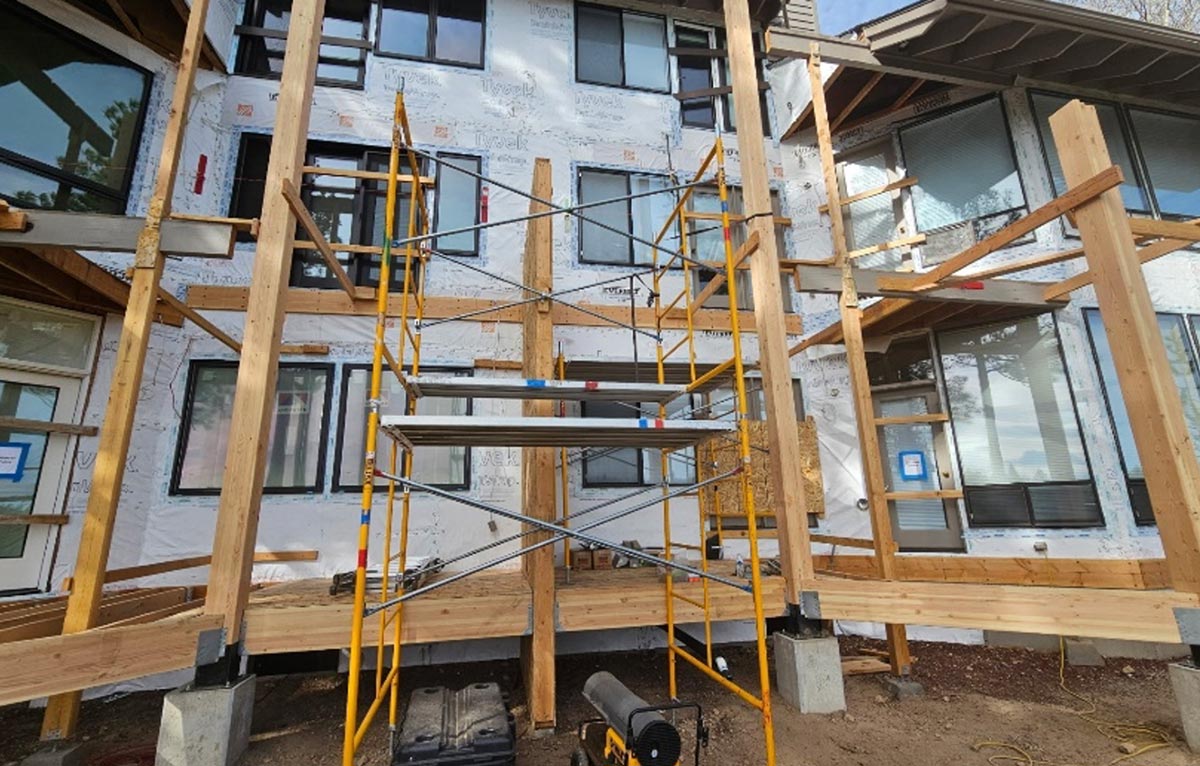
Why Regular Envelope & Water Intrusion Inspections Are Critical for Aging HOA and Multifamily Buildings in Central Oregon
Across Central Oregon, many HOA and multifamily communities are reaching a critical age. Buildings constructed 15, 20, or even 40 years ago are now facing the cumulative effects of weather exposure, material aging, and deferred maintenance. In a High Desert climate like ours, those factors combine to make regular building envelope and water intrusion inspections not just advisable, but essential.
As Oregon’s HB 3746 goes into effect on January 1, this conversation is about to get much louder. Boards and property managers who understand the risks and act proactively will be far better positioned than those who wait for visible damage to appear.
Central Oregon’s Climate Accelerates Building Wear
Central Oregon presents unique challenges for building performance. Freeze-thaw cycles, wind-driven rain, snow accumulation, ice damming, and intense UV exposure all take a toll on exterior building components. Over time, even well-constructed buildings can develop vulnerabilities that allow moisture to enter wall assemblies and structural systems.
Multifamily and HOA buildings are particularly at risk because failures often occur in shared systems. One compromised window, deck, or roof transition can affect multiple units before the problem is detected.
What the Building Envelope Is and Why It Fails
The building envelope is the physical barrier that separates the interior of a structure from the elements. It includes the roof, siding, windows, doors, flashing, decks, and all exterior penetrations.
Envelope failures rarely happen all at once. More often, they develop gradually due to issues such as:
- Failed or missing flashing around windows and doors
- Cracked or aging siding
- Deteriorated sealants and caulking
- Worn or peeling paint that no longer sheds water
- Improper drainage or clogged gutters directing water into walls
These conditions allow moisture intrusions that may remain hidden behind siding or inside wall cavities for years.
Water Intrusion Is a Long-Term Problem, Not a One-Time Event
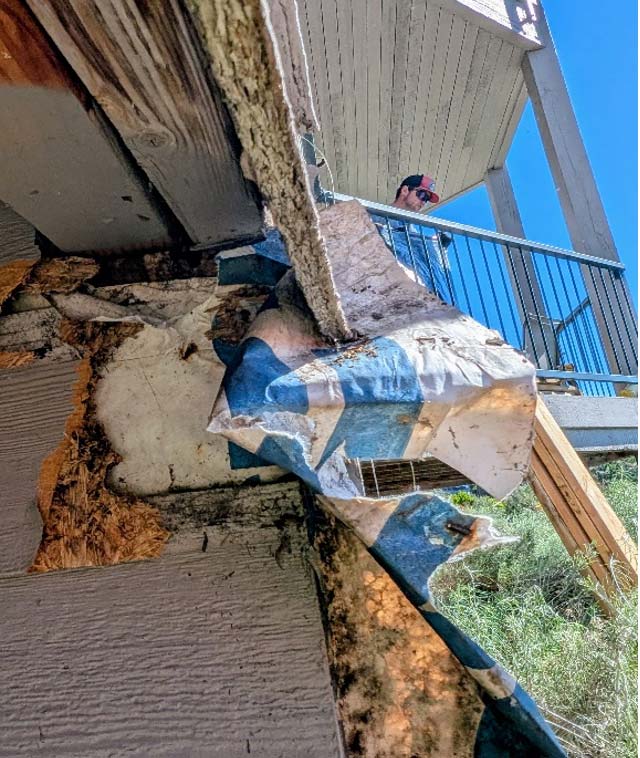 One of the most misunderstood aspects of water intrusion is that it is usually continual, not intense. Unlike a burst pipe or flooding event, envelope-related moisture issues can persist quietly, slowly degrading insulation, framing, and structural components.
Over time, unchecked water intrusion can lead to:
- Wood rot and structural dama
- Mold growth and indoor air quality concerns
- Reduced insulation performance
- Escalating repair costs
By the time staining, odors, or interior damage become visible, the underlying issues are often extensive.
Why Regular Inspections Matter for HOAs and Multifamily Properties
Routine envelope and water intrusion inspections allow associations to identify problems early, when repairs are more manageable and cost-effective. For HOA boards and property managers, this proactive approach supports:
- Predictable maintenance planning
- More accurate reserve studies
- Reduced likelihood of emergency repairs
- Better long-term budgeting
- Clear documentation of building conditions
Inspections also help boards demonstrate due diligence, an increasingly important consideration as buildings age and regulations evolve.
HB 3746: Why Inspections Are About to Matter Even More
Oregon’s HB 3746, effective January 1, introduces new requirements related to construction defect timelines and moisture intrusion assessments. One of the most significant changes is the shortened window for construction defect claims, which places greater importance on early detection and documentation of building envelope and water intrusion issues.
The legislation also increases focus on moisture intrusion inspections performed by qualified professionals, like Sierra James, particularly during key transition periods. For HOAs and multifamily communities, this means inspections are no longer just best practice, they are becoming a critical part of risk management and compliance.
Communities that wait to investigate potential envelope issues may find themselves with fewer legal and financial options if damage is discovered too late.
The Problem with Inspection-Only Approaches
Many inspection providers deliver detailed reports but stop there. While documentation is valuable, it often leaves boards and managers responsible for coordinating repairs, bidding work, and interpreting technical findings for contractors.
The disconnect between inspection and repair can lead to delays, scope confusion, and increased costs for owners, which may lead to special assessments. Important context can be lost as projects move from inspector to contractor, increasing the risk of missed issues or incomplete repairs.
Why Integrated Inspection and Repair Matters
Working with a team that understands both inspection and restoration provides continuity and accountability. When the same professionals identify the issues and develop repair strategies, communities benefit from:
- Clear, realistic repair scopes
- Faster transition from inspection to action
- Reduced duplication of assessments
- Fewer surprises during construction
- One point of responsibility from start to finish
This integrated approach is especially valuable for large HOA and multifamily properties where coordination and consistency are essential.
Aging Buildings Require Proactive Planning
Many Central Oregon communities are now managing buildings constructed in the 1980s, 1990s, and early 2000s. Materials from that era are reaching the end of their service life, and deferred maintenance compounds quickly in harsh climates.
Regular envelope and water intrusion inspections allow associations to move from reactive repairs to planned maintenance, preserving building integrity while protecting owners, residents, and board members.
Final Thoughts
Building envelope and water intrusion inspections protect more than physical structures. They protect residents, investments, reserve funds, and board members’ decision-making confidence. As HB 3746 takes effect and aging buildings face increasing scrutiny, proactive inspection and repair strategies are becoming essential for HOA and multifamily communities across Central Oregon.
Sierra James can facilitate identifying issues early, documenting conditions accurately, and addressing problems before they escalate is the most effective way to manage risk and extend the life of multifamily buildings in this region.