
Why Winter Is Peak Season for Household Fire Damage?
When people think about winter home damage, they usually focus on frozen pipes and water leaks. But colder months consistently bring another major risk that often flies under the radar: house fires.
Colder temperatures, more time spent indoors, and increased reliance on heaters, fireplaces, and electronic devices all contribute to a spike in residential fires during winter months. Even during unseasonably warm years, winter remains one of the most dangerous times of year for fire damage in homes across Central Oregon.
Many of these fires are preventable. Most of us know how to prevent fires, but unfortunately, we often put off doing those things until it’s too late.
Why Winter Is High-Risk for Home Fires
The winter season creates a perfect environment for fire hazards due to a combination of lifestyle changes and increased electrical demand.
More Heating, More Risk
Even when temperatures are mild, heaters are still running. Space heaters, baseboard heaters, fireplaces, wood stoves, and heat lamps work overtime in winter. Improper placement, lack of clearance, or faulty wiring can turn a simple heat source into an ignition point.
Homes Are Fully Occupied
People spend more time indoors during the winter months. That means:
- More cooking
- More electronics charging
- More candles and fireplaces
- More heaters running unattended
The increased activity increases the chance of accidents and unnoticed hazards.
Holiday Gear Lingers
Christmas lights, extension cords, decorative candles, and additional electronics often stay plugged in well past the holidays. Overloaded circuits and worn cords can become a common cause of fires.
Lithium Batteries: A Growing Fire Threat
One of the fastest-growing causes of residential fires involves lithium-ion batteries. These batteries power many everyday devices, including:
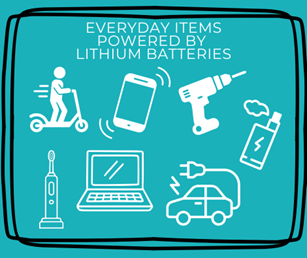
- Phones and tablets
- Laptops
- E-bikes and scooters
- Power tools
- Portable battery packs
- Smart home devices
- Electronic smoking devices
When lithium batteries overheat, are damaged, or are charged improperly, they can ignite quickly and burn intensely.
Common Lithium Battery Fire Triggers
- Using off-brand or damaged chargers
- Charging devices on beds, couches, or carpets
- Leaving devices charging overnight
- Exposure to heat or moisture
- Battery damage caused by repeated drops and normal wear.
Once ignited, lithium battery fires burn hot and fast, producing toxic smoke and extensive damage even if flames are extinguished quickly.
Space Heaters: Small Appliances, Big Consequences
Space heaters remain one of the leading causes of winter house fires.
Common issues include:
- Heaters are placed too close to furniture or curtains
- Units left running unattended
- Older heaters without automatic shut-off features
- Overloaded outlets or extension cord use
Even a brief lapse in attention can lead to significant fire damage. Many winter fire calls begin with a heater tipping over or overheating while occupants are asleep or out of the room.
Fireplaces, Wood Stoves, and Chimneys
Fireplaces and wood stoves add warmth and ambiance, but improper use or maintenance increases fire risk.
Fire hazards related to fireplaces include:
- Creosote buildup in chimneys
- Blocked or damaged flues
- Improper ash disposal
- Decorative materials placed too close to open flames
- Improper disposal fireplace ash
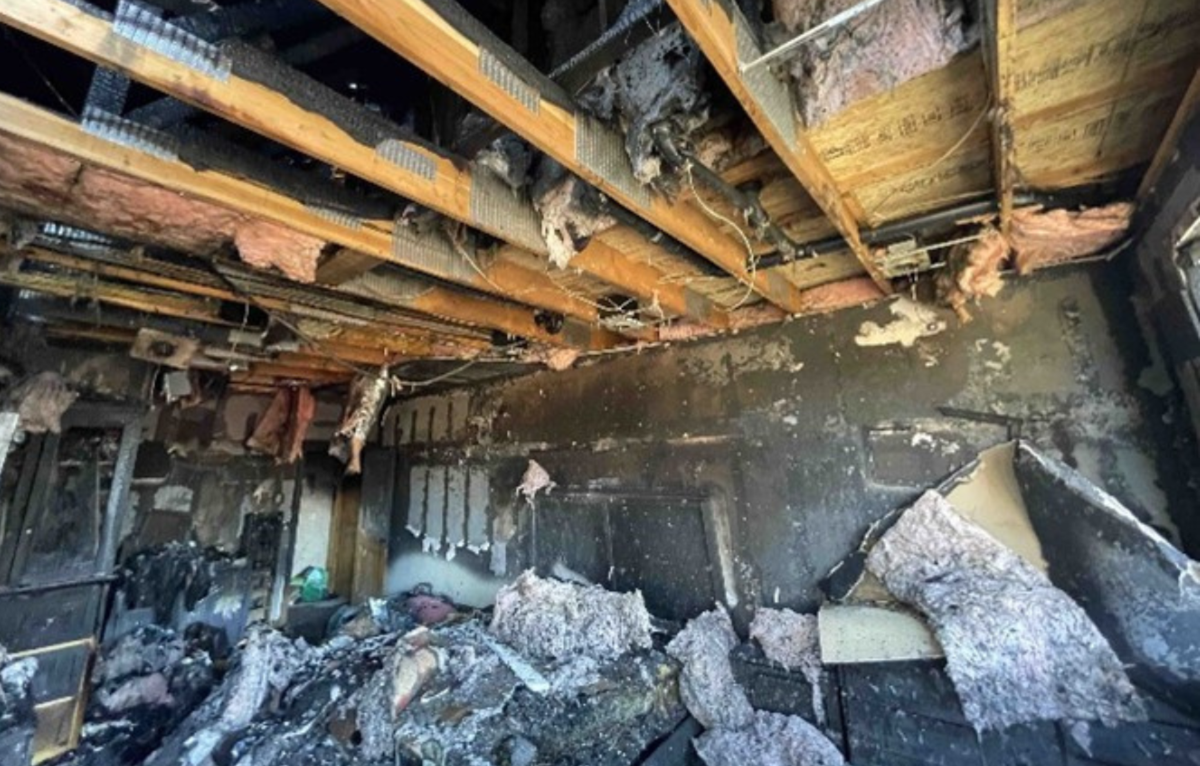
Soot and smoke damage can spread far beyond the immediate fire area, affecting walls, ceilings, HVAC systems, and insulation.
Fireplace Ash Disposal Tip:
Fireplace ashes can retain heat for days, even when they look completely cold. Always place ashes in a metal container with a tight-fitting lid and store it outside, away from structures and combustible materials, before disposal. Never dump ashes in plastic bins, paper bags, or near landscaping.
Fire Damage Isn’t Just Flames
Even small fires can cause extensive secondary damage. Smoke, soot, and odor penetrate building materials quickly, often impacting areas untouched by flames.
Fire damage commonly includes:
- Smoke staining on walls and ceilings
- Odor trapped in drywall, insulation, and framing
- HVAC contamination
- Water and fire extinguisher damage from suppression efforts
- Structural weakening
Without professional restoration, these issues can linger long after the fire is out.
Why Immediate Professional Response Matters
Fire damage is time sensitive. Delays allow soot to etch surfaces, odors to deepen, and corrosion to spread across materials and electronics.
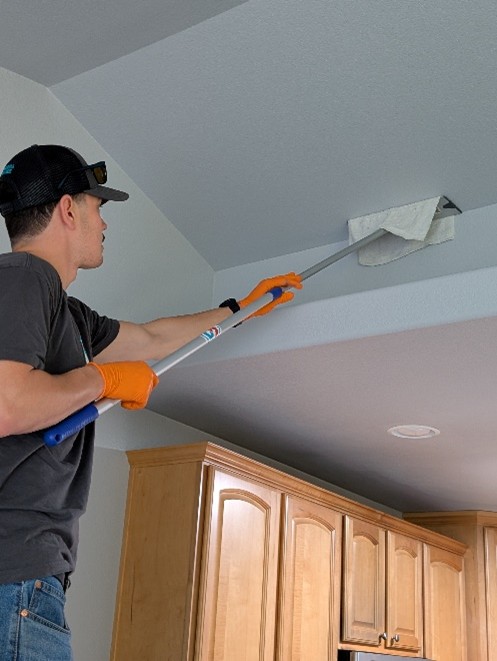
Professional fire restoration includes:
- Emergency board-up and stabilization
- Smoke and soot removal
- Odor neutralization
- Selective demolition and cleaning
- Structural drying and repairs
Fast action reduces long-term damage and shortens recovery timelines.
Winter Fire Prevention Tips
While not all fires can be prevented, simple steps dramatically reduce risk:
- Keep space heaters at least three feet from combustibles
- Never charge lithium batteries on soft surfaces
- Use manufacturer-approved chargers only
- Avoid overloading outlets and extension cords
- Schedule chimney inspections and cleanings
- Dispose of fireplace ashes properly
- Install and test smoke detectors regularly
Prevention costs far less than restoration.
Need Help After a Fire?
Fire damage doesn’t end when the flames are out. Smoke, soot, odor, and water from suppression efforts can continue to cause damage if not addressed quickly.
Sierra James Construction provides full-service fire restoration, including emergency stabilization, smoke and soot removal, odor control, water mitigation, and complete repair and reconstruction. Our team handles the entire process, from initial response through final rebuild, while coordinating with insurance to keep recovery moving.
If your home or property has experienced fire or smoke damage, early professional response can make all the difference.